
What is Life Like in New Zealand?
When people think about moving abroad, the same destinations tend to dominate the conversation - Australia, Canada and parts of Europe. New Zealand, by comparison, often sits quietly in the background.
But when you look a little closer, beyond travel photos and stereotypes, it starts to stand out in more practical ways. A recent report measuring NZ across 28 global rankings gives a clearer picture of what living there is actually like.
NZ Gets the Fundamentals Right
Before lifestyle and scenery come into it, the basics matter most: safety, rights, and how well a country functions day-to-day.
NZ performs consistently well in these areas. It ranks extremely highly (99/100) for civil liberties, with strong protections around personal freedoms and democratic participation. It’s also ranked one of the least corrupt countries globally, which tends to show up in everyday experiences - from dealing with public services to trusting institutions.
It’s the 3rd safest country in the world, according to the Global Peace Index, combining safety and security, domestic and international conflict, and degree of militarisation.
There’s also strong performance in areas such as rule of law and gender equality - indicators that often shape long-term stability more than short-term economic trends.
What Daily Life Feels Like
Rankings can tell you how a country performs, but they don’t always capture how it feels to live there.
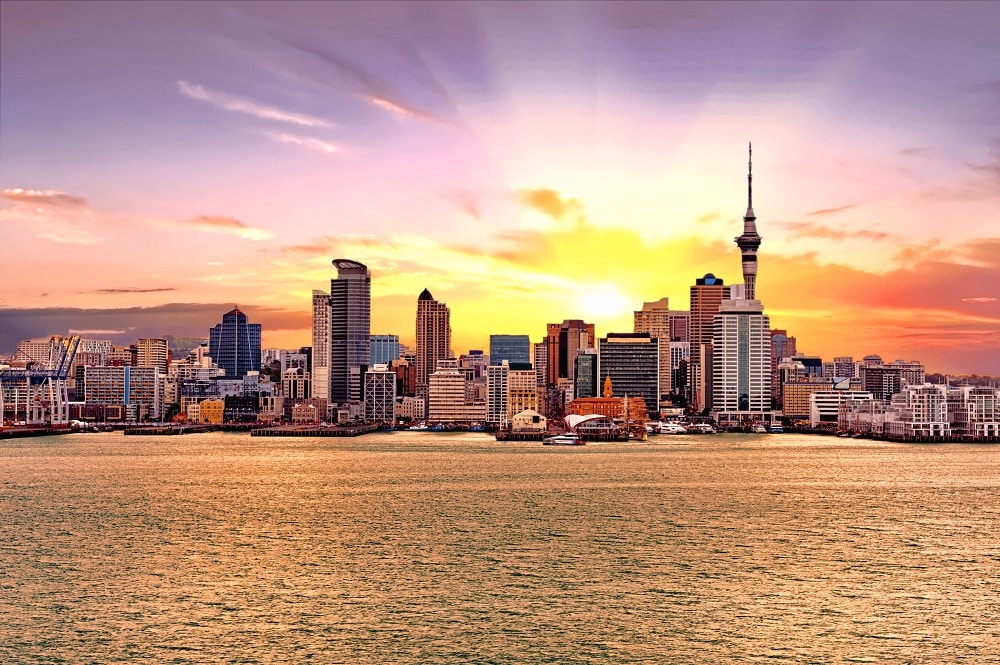
Cities like Auckland consistently appear high in global liveability indexes, reflecting access to healthcare, infrastructure, and general quality of life. NZ also tends to sit in the upper tier of global happiness rankings.
But the more noticeable differences are harder to quantify. Life tends to move at a slower pace, work-life balance is engrained into the culture and nature is always nearby.
That said, this slower pace can feel like a benefit or a drawback, depending on what you’re used to.
The Economy: Stable, Not Flashy
NZ isn’t trying to compete with the world’s largest economies.
It’s generally classified as a “mostly free” economy, with steady improvements in areas like competitiveness and innovation. It’s not a global hub for high-growth tech or finance, but it offers something different: consistency.
For many people, that translates into:
- A relatively predictable job market
- Less pressure from extreme competition
- A more balanced approach to growth
Of course, this also comes with trade-offs, and it depends on what you value more - pace and scale, or stability and balance.
Why People Love NZ
The data paints a strong picture, but it doesn’t fully explain why people settle long-term.
What stands out is the combination of factors: personal freedom, safety, access to nature, and a system that, while not perfect, generally works as intended. There’s also a sense that the country is still evolving, rather than being fixed or saturated.
At the same time, it’s not for everyone. Geographic isolation, a smaller economy, and a quieter pace of life can be challenges depending on your priorities.
If New Zealand feels like the right fit for you, we recommend you take a free visa assessment with Migration Associates and register for jobs with New Zealand Skills in Demand.